

Maintaining your dog’s dental hygiene is crucial for their overall health, yet many pet owners often overlook this essential aspect of pet care. Did you know that by the age of three, most dogs show signs of periodontal disease? This common condition can lead to serious health issues if left untreated, including tooth loss, painful abscesses, and even systemic infections. It’s time to take a closer look at how to keep those pearly whites clean and your furry friend feeling great!
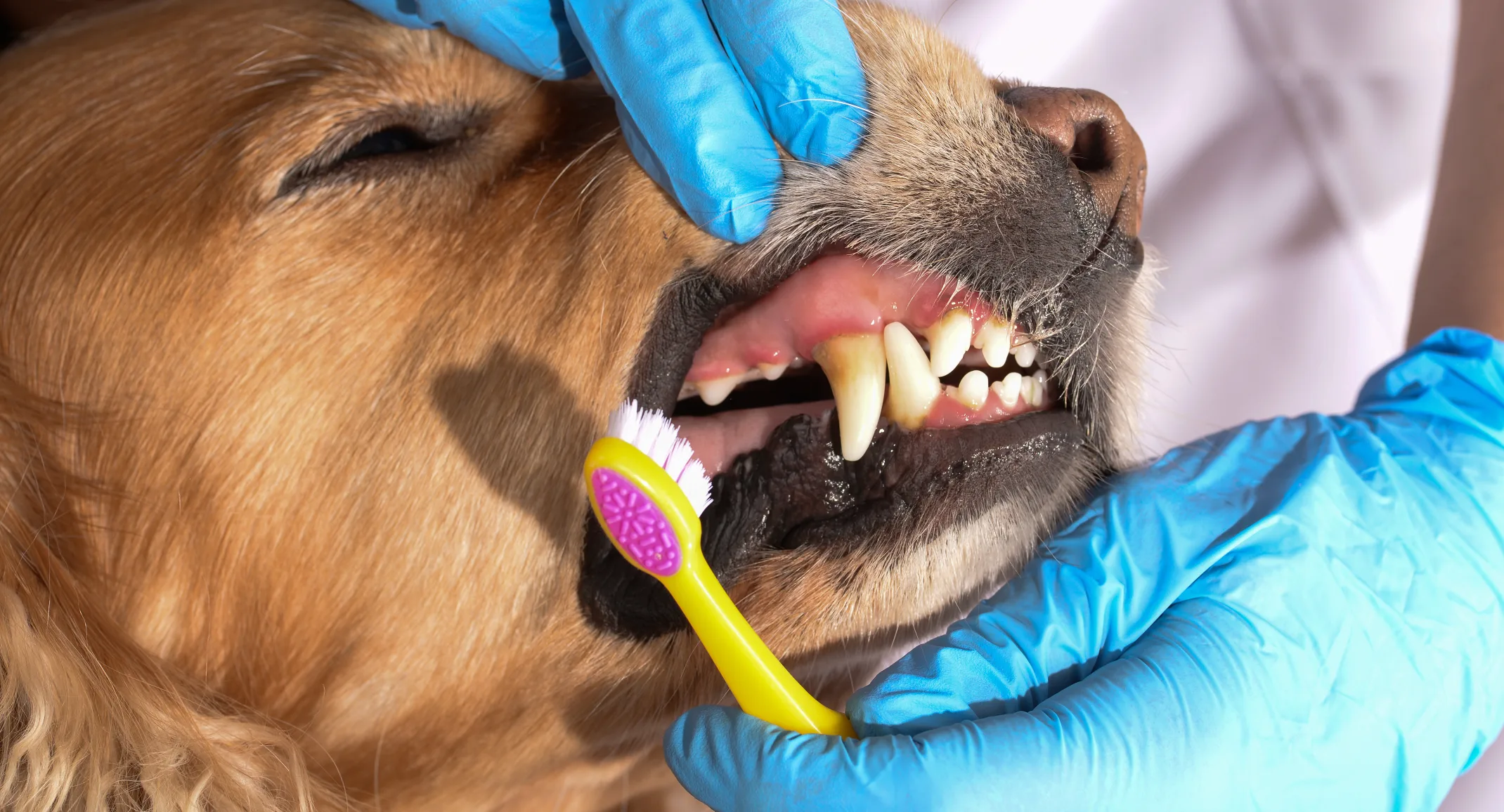
Dental health in dogs is not just about maintaining a bright smile; it’s a fundamental component of their overall well-being. Poor dental hygiene can lead to a cascade of health problems that extend far beyond the mouth. The bacteria that cause dental disease can enter the bloodstream, potentially affecting vital organs such as the heart, liver, and kidneys. This makes dental care not just a matter of fresh breath, but a critical factor in your dog’s longevity and quality of life.
Why Dental Hygiene Matters
Just like humans, dogs can suffer from dental problems, and poor oral hygiene can result in more than just bad breath. Periodontal disease can lead to more severe health issues, such as heart disease and permanent jaw damage. So how can you ensure your canine companion maintains a bright smile and fresh breath? Here are some practical tips to get you started.
The importance of dental hygiene in dogs cannot be overstated. The mouth is a gateway to the body, and the health of your dog’s teeth and gums can have far-reaching effects on their overall well-being. Periodontal disease, which affects the tissues surrounding the teeth, is one of the most common health issues in dogs. It begins with the buildup of plaque and tartar on the teeth, which, if left unchecked, can lead to inflammation of the gums (gingivitis) and eventually to more serious periodontal disease.
As periodontal disease progresses, it can cause significant pain and discomfort for your dog. The inflammation and infection can lead to tooth loss, bone loss in the jaw, and even abscesses. These dental issues don’t just stay in the mouth; the bacteria involved can enter the bloodstream and potentially affect other organs. Studies have shown links between periodontal disease and conditions such as heart disease, kidney disease, and liver problems in dogs.
Furthermore, maintaining good dental hygiene can significantly improve your dog’s quality of life. Dogs with healthy mouths are more likely to eat well, play more, and generally be more comfortable and happy. Bad breath, often dismissed as a normal “dog breath,” is usually a sign of dental problems. By addressing dental hygiene, you’re not only preventing health issues but also making those snuggly moments with your pet much more pleasant for both of you.
Brushing Your Dog’s Teeth
Brushing your dog’s teeth may seem challenging, but it’s one of the most effective ways to prevent plaque buildup. Aim to brush your dog’s teeth several times a week, if not daily. Start by introducing your dog to the process gradually. Use toothpaste formulated specifically for dogs, as human toothpaste can be harmful. The good news? Many dog toothpastes come in flavors like chicken or peanut butter that dogs love!
The process of introducing tooth brushing to your dog requires patience and consistency. Start by letting your dog get used to you touching their mouth and lips. You can begin by gently massaging their lips and gums with your finger for a few seconds each day. Once they’re comfortable with this, introduce the toothbrush without toothpaste. Let them lick a small amount of dog toothpaste off your finger to get used to the taste before applying it to the brush.
When you’re ready to start brushing, focus on the outer surfaces of the teeth, as this is where most plaque accumulates. Use gentle, circular motions and pay special attention to the gum line. Don’t worry about brushing the inner surfaces of the teeth; your dog’s tongue helps keep these areas relatively clean. The entire process should take about 30 seconds to a minute for each side of the mouth.
Consistency is key in dental care. While daily brushing is ideal, even brushing a few times a week can make a significant difference in your dog’s oral health. If your dog resists at first, don’t give up. Keep sessions short and positive, offering plenty of praise and maybe even a dental-friendly treat afterward. Over time, most dogs learn to tolerate and even enjoy the routine, especially if it means extra attention from their favorite human.
Dog Tooth Wipes
If brushing isn’t an option or your dog isn’t a fan of it, consider using dog dental wipes. These wipes can help remove plaque and are often easier to manage than a toothbrush. While they may not reach all the nooks and crannies, they still provide a valuable cleaning option.
Dog tooth wipes are pre-moistened pads or cloths specifically designed for cleaning a dog’s teeth and gums. They’re infused with ingredients that help break down plaque and freshen breath. While not as effective as brushing, these wipes can be a good alternative for dogs who won’t tolerate a toothbrush or for pet owners who find brushing challenging. They’re particularly useful for spot cleaning or for maintaining dental hygiene between brushing sessions.
To use dental wipes effectively, wrap the wipe around your finger and gently rub it along your dog’s teeth and gums. Pay special attention to the outside surfaces of the teeth, where plaque tends to accumulate most. While wipes may not reach between teeth as effectively as a brush, they can still help remove food particles and some plaque from the tooth surfaces and along the gum line.
One advantage of dental wipes is their convenience. They’re portable and require no preparation, making them ideal for travel or for quick cleanings when you’re short on time. However, it’s important to remember that wipes should not completely replace brushing in your dog’s dental care routine. They’re best used as a supplement to regular brushing or as a stepping stone to introduce your dog to dental care if they’re particularly resistant to having their teeth brushed.
Dental Treats
Who doesn’t love a tasty treat? Dental treats are specifically designed to promote oral health. They help remove plaque buildup while freshening your dog’s breath. Plus, dogs tend to enjoy them much more than a toothbrush!
Dental treats work by mechanically cleaning the teeth as your dog chews. Many are designed with specific textures and shapes that help scrape plaque off the tooth surface and even reach near the gum line. Some dental treats also contain ingredients that help freshen breath or have mild antibacterial properties to support oral health. The act of chewing itself stimulates saliva production, which naturally helps to wash away food particles and bacteria from the mouth.
When choosing dental treats for your dog, look for products that have been approved by veterinary dental organizations. These treats have been tested and shown to be effective in reducing plaque and tartar buildup. It’s important to select treats that are appropriate for your dog’s size and chewing habits. Some dental treats are quite hard and may not be suitable for dogs with sensitive teeth or those prone to gulping their food.
While dental treats can be an effective part of your dog’s oral care routine, they should not be relied upon as the sole method of dental hygiene. They work best when used in conjunction with regular brushing and professional cleanings. Also, be mindful of the calorie content in dental treats. Like any treat, they should be given in moderation and factored into your dog’s overall daily calorie intake to prevent weight gain.
Chewing for Health
Chewing is a natural behavior for dogs and can significantly benefit their dental health. There are various dog chews available that help scrape plaque off their teeth. Natural chews, like cow ears or bully sticks, not only keep your dog entertained but also contribute to their oral hygiene. Rubber or nylon chew toys are excellent options, too, as they help maintain healthy teeth without adding calories.
The act of chewing provides multiple benefits for your dog’s dental health. As your dog chews, the mechanical action helps to scrape away plaque and tartar from the tooth surface, particularly along the gum line where it tends to accumulate. Chewing also stimulates saliva production, which helps to naturally rinse the mouth and neutralize acids that can erode tooth enamel. Additionally, many chew toys and treats are designed with ridges or nubs that can reach between teeth, providing a flossing-like action.
When selecting chew toys or natural chews for your dog, consider their size, chewing habits, and any dietary restrictions. Avoid chews that are too hard, as they can potentially damage your dog’s teeth. Some good options include specially designed dental chew toys, raw bones (under supervision), and dental chews approved by veterinary organizations. Always supervise your dog when giving them a new chew toy or treat to ensure they’re using it safely.
It’s important to rotate your dog’s chew toys to keep them interested and to ensure they’re getting a variety of dental benefits. Some chews may be better at scraping plaque from certain areas of the mouth, so offering a range can help ensure comprehensive cleaning. Remember, while chewing is beneficial for dental health, it should be part of a broader oral care routine that includes regular brushing and professional check-ups.
Professional Cleanings
While at-home care is essential, nothing beats a thorough cleaning from a veterinarian. Your vet can spot issues that might go unnoticed and provide professional treatment. Though it may be a bit pricier than the other techniques mentioned, investing in a professional dental cleaning can save you from costly health problems down the road.
Professional dental cleanings, also known as dental prophylaxis, are performed under general anesthesia. This allows the veterinarian to conduct a thorough examination of your dog’s entire mouth, including areas that are difficult to see when the dog is awake. During the cleaning, your vet will remove plaque and tartar both above and below the gum line using specialized tools. They’ll also polish the teeth to create a smooth surface that’s more resistant to plaque buildup.
In addition to cleaning, the vet will perform a comprehensive oral examination. This may include dental X-rays to assess the health of the tooth roots and jawbone, which are not visible to the naked eye. These X-rays can reveal hidden problems such as abscesses, fractured teeth, or bone loss associated with periodontal disease. If any issues are found, they can often be addressed during the same procedure, potentially saving your dog from future pain and more extensive treatments.
While the cost of professional cleanings can be a concern for some pet owners, it’s important to view it as an investment in your dog’s long-term health. Regular cleanings can prevent or delay the onset of serious dental issues, which are often more expensive to treat once they’ve progressed. Many veterinary practices offer dental health plans or discounts during certain months to make these important procedures more accessible. Remember, maintaining your dog’s dental health is not just about a bright smile – it’s about ensuring their overall well-being and quality of life.
Recognizing Dental Issues
Being vigilant about your dog’s dental health is key. Watch out for signs of problems, such as bad breath, excessive drooling, or changes in eating habits. If you notice anything unusual, don’t hesitate to consult your veterinarian. Regular check-ups can help catch potential issues early.
One of the most common signs of dental problems in dogs is halitosis, or bad breath. While many people assume that “dog breath” is normal, persistently foul-smelling breath is often a sign of dental disease. Other visual cues to watch for include redness or swelling of the gums, yellowing or browning of the teeth, and visible tartar buildup. You might also notice your dog pawing at their mouth or face, which can indicate oral discomfort.
Changes in eating behavior can also signal dental issues. If your dog suddenly becomes reluctant to eat, drops food while eating, or shows a preference for soft foods over hard kibble, they may be experiencing dental pain. Some dogs might also exhibit increased drooling, sometimes with blood in the saliva. It’s important to note that dogs are adept at hiding pain, so these signs might be subtle at first.
Regular home checks can help you spot potential problems early. Gently lift your dog’s lips to examine their teeth and gums. Healthy gums should be pink (though some dogs naturally have pigmented gums), not red or swollen. The teeth should be clean and free from obvious tartar buildup or discoloration. If you notice loose teeth, lumps in the mouth, or any unusual growths, these warrant immediate veterinary attention. Remember, early detection and treatment of dental issues can prevent more serious health problems and potentially save your dog from unnecessary pain and discomfort.
Conclusion
Incorporating these dental care tips into your dog’s routine can drastically improve their oral hygiene and overall health. So, why not give it a try? At Usa Pet Grooming, we understand the importance of maintaining your pet’s well-being, including their dental health. Let us assist you in keeping your furry friend happy and healthy! Schedule an appointment today and see the benefits of professional grooming and dental care services. Your dog deserves it!
Maintaining your dog’s dental health is an ongoing commitment that requires dedication and consistency. By implementing a combination of at-home care techniques and professional treatments, you can significantly improve your dog’s oral health and overall well-being. Remember that every dog is unique, and what works best may vary from one pet to another. Be patient and willing to try different approaches to find the dental care routine that works best for you and your furry companion.


