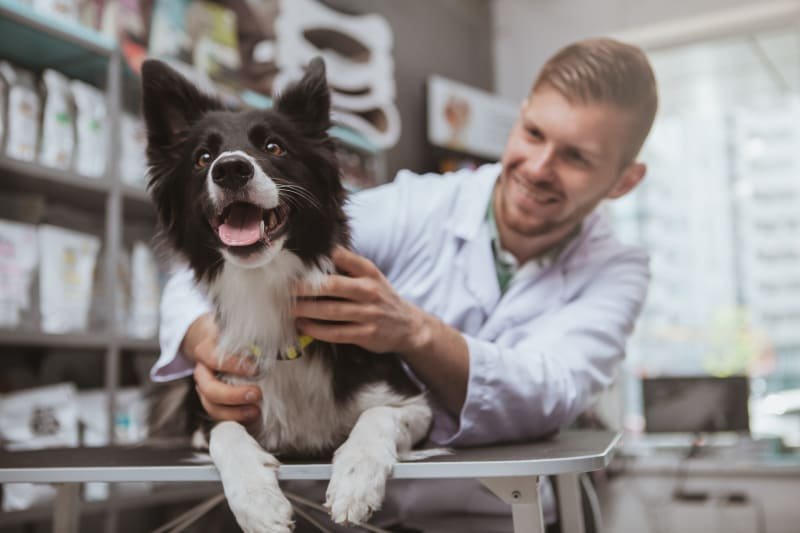
Through regular visits to the vet, potential health issues that could affect your dog’s grooming process are detected early, ensuring your dog remains comfortable, clean, and happy.
The Connection Between Veterinary Checkups and Grooming
Routine vet checkups are integral to understanding your dog’s grooming needs. During these visits, veterinarians can identify underlying health conditions that might interfere with grooming. For example, skin conditions, ear infections, and dental problems are often detected during a vet checkup. These issues can significantly affect how grooming is approached. If left untreated, they can cause pain or discomfort, making the grooming process stressful for your dog.
By catching these problems early, veterinarians help ensure that grooming is not only effective but also a positive experience for your dog. Moreover, veterinarians provide valuable advice on grooming products and practices tailored to your dog’s specific needs.
They might recommend special shampoos for dogs with sensitive skin or advise on how to care for a dog with long hair prone to matting. This guidance helps you maintain a grooming routine that supports your dog’s health, making every grooming session more efficient and beneficial.
Early Detection of Health Issues During Grooming
One of the most significant benefits of routine veterinary checkups is the early detection of health issues that may not be immediately visible but could impact your dog’s grooming. For instance, a vet might notice subtle signs of skin infections or parasites during a physical exam, which could otherwise go unnoticed until they become severe. Early detection allows for prompt treatment, preventing these conditions from worsening and making grooming painful or difficult.
Additionally, veterinarians are trained to spot the early signs of diseases such as hypothyroidism or Cushing’s disease, which can lead to changes in your dog’s coat and skin.
These conditions often manifest as hair loss, skin thickening, or increased susceptibility to infections, all of which can complicate grooming.
By identifying these issues early, your vet ensures that your dog’s grooming routine remains manageable and that their coat and skin stay healthy.
How Routine Vet Visits Ensure Effective Grooming
Routine vet visits are essential for maintaining an effective grooming routine. During these visits, vets perform comprehensive checks that include examining your dog’s skin, coat, nails, and overall body condition.
These examinations are crucial for identifying any issues that might hinder the grooming process. For example, overgrown nails, which can cause pain during walks and lead to resistance during nail trimming, are often addressed during routine checkups.
Furthermore, regular checkups allow your vet to monitor your dog’s weight and overall health, both of which directly affect grooming.
Overweight dogs, for instance, might develop skin folds that are prone to infections and need special grooming attention. By keeping track of your dog’s health through regular vet visits, you ensure that their grooming routine is adapted to their current needs, keeping them comfortable and healthy.
Grooming Tips Based on Veterinary Advice
Your veterinarian is a valuable resource for grooming tips that are specifically tailored to your dog’s health needs. For example, if your dog has a history of ear infections, your vet might recommend specific ear-cleaning products or techniques to prevent future issues.
Similarly, dogs with dental problems might require more frequent brushing or special dental care products to maintain oral hygiene. Veterinarians can also offer advice on how to handle specific grooming challenges, such as dealing with a dog that is anxious about baths or trimming.
They might suggest desensitization techniques or recommend calming products that make the grooming process easier for both you and your dog. By following your vet’s advice, you can create a grooming routine that not only keeps your dog looking their best but also supports their overall health.
The Role of Veterinary Checkups in Preventing Grooming-Related Issues
Veterinary checkups play a crucial role in preventing grooming-related issues that can arise from underlying health conditions. For instance, certain skin conditions, if left untreated, can make grooming painful and lead to further complications such as infections or hot spots.
Regular checkups ensure that any such conditions are diagnosed and treated early, preventing them from escalating into more serious problems that could disrupt your dog’s grooming routine. Additionally, routine vet visits help in preventing and managing chronic conditions that could affect grooming.
For example, dogs with arthritis may require special handling during grooming to avoid pain. By staying on top of your dog’s health with regular vet visits, you can modify their grooming routine as needed to accommodate any changes in their health, ensuring that grooming remains a positive experience.
Conclusion
Routine veterinary checkups are more than just a preventive measure for serious health issues; they are an integral part of maintaining an effective and comfortable grooming routine for your dog. By keeping up with regular vet visits, you ensure that your dog stays healthy, happy, and well-groomed, making every grooming session a more enjoyable experience for both of you.


